
Fungus & Disease Control in Lincoln

Preserve your soil health with fungus and disease control

Fungal issues can spread quickly and leave lasting damage if they aren’t handled early. With fungus and disease control in Lincoln, problems are addressed before they take over, helping your lawn stay healthier and more consistent even during stressful growing conditions.

Treatment that protects lawn integrity

Moisture, heat, and dense turf can create ideal conditions for lawn diseases. Targeted fungus and disease control supports dependable lawn care services by stopping damage at the source and helping turf recover.

What you get

How it works

Lawn evaluation

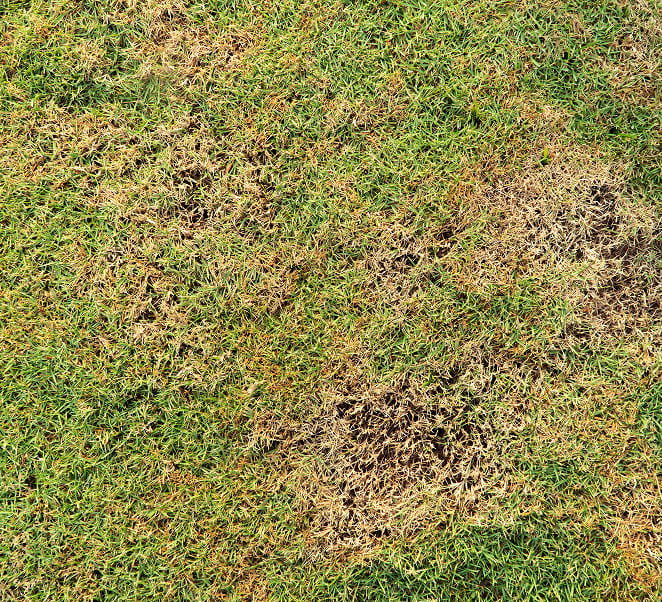
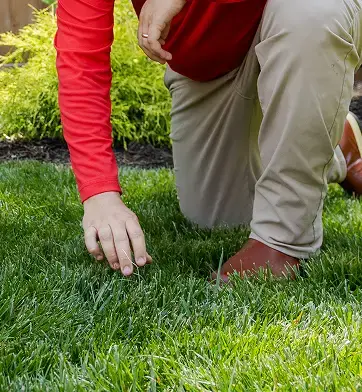
Your lawn is inspected for discoloration, thinning, or patterns commonly associated with disease.

Conditions are reviewed to determine whether damage is caused by disease, stress, or environmental factors.

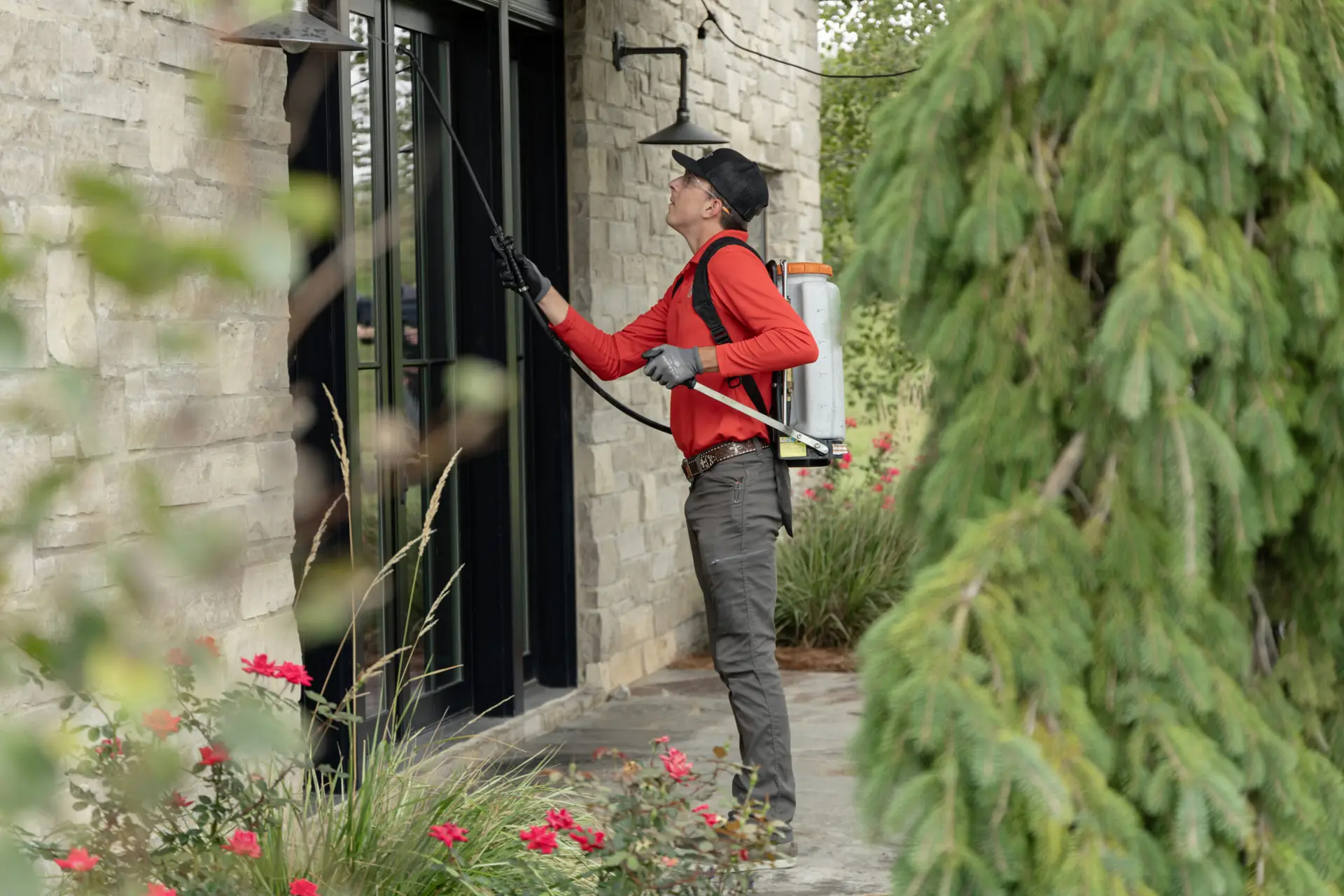
Applications are selected to address the identified issue while supporting overall turf health.

Seasonal monitoring helps prevent recurrence as part of complete lawn care and maintenance.

How it works

Lawn Inspection and Consultation

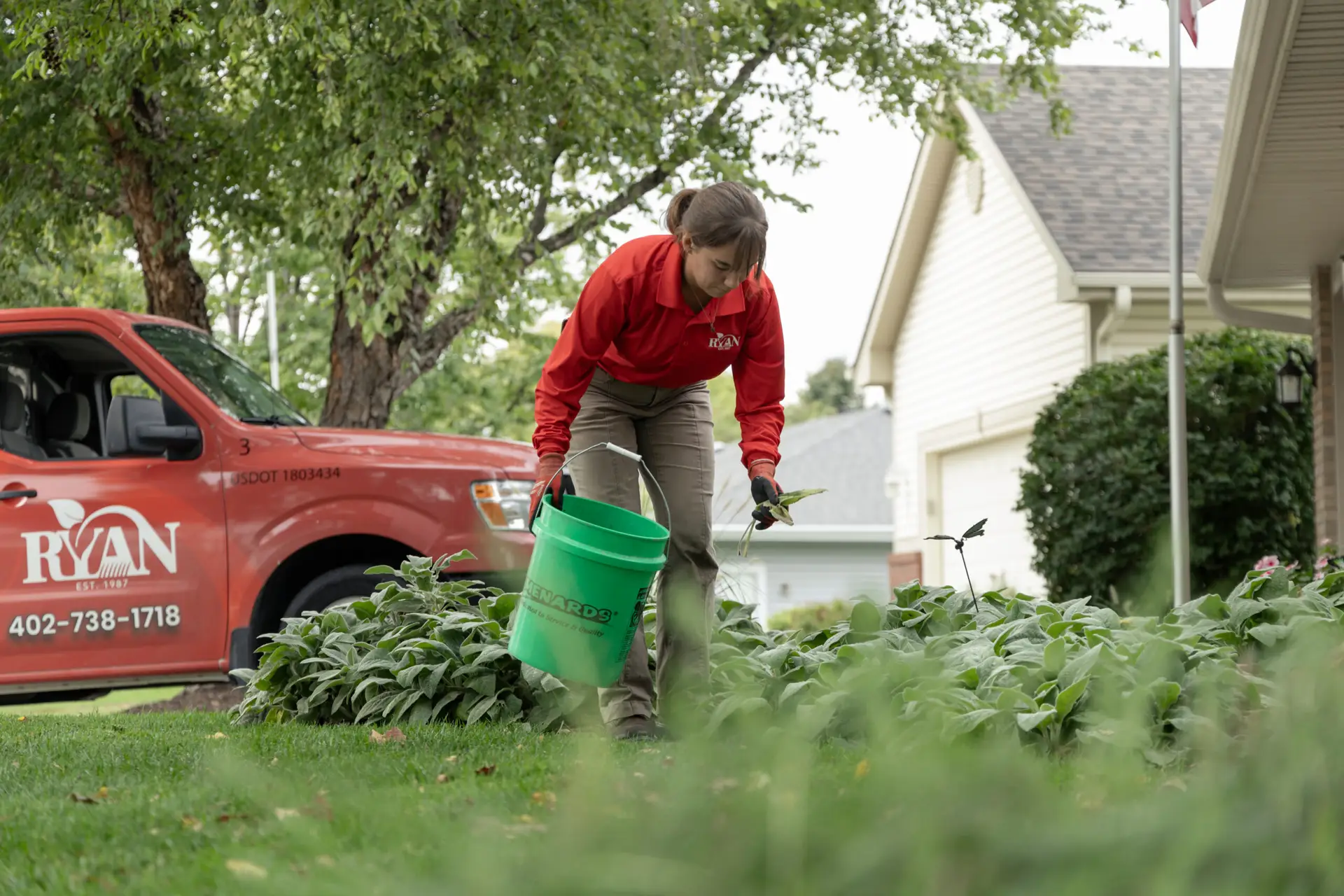
Your dedicated RYAN Pro begins with a thorough inspection of your lawn, evaluating turf type, soil condition, and local climate to understand what your yard needs to thrive. (This could be a good place to add details about soil testing or evaluation methods.)

Dedicated lawn managers

Confidence built on local experience

Your lawn is cared for by professionals familiar with Lincoln’s weather patterns and disease pressure. This relationship-driven approach helps ensure treatments are applied thoughtfully and only when needed.

Five-star lawn care

Our lawn care customers say it best.

Ready to protect your lawn from disease?

Restore confidence in your lawn’s health with professional fungus and disease control tailored to Lincoln conditions.

Fungus & Disease Control FAQs

Signs include thinning grass, brown patches, and turf that lifts easily from the soil.

Yes. Reducing grubs can help discourage animals that dig for them.

Timing depends on insect life cycles and seasonal conditions.